With the advancement in technology and sensor systems, our indoor environments have become more comfortable. These HVAC pressure sensors are important in the regulation of heating, ventilation, and air condition (HVAC) systems. Therefore, sensors are important in different applications in the industry regarding refrigeration and ventilation.
In the HVAC systems, the most fundamental types of sensors are temperature sensors, humidity sensors, and pressure sensors. Pressure sensors are the type of sensors that are effective in the maintenance of temperature conditions. They are usually common in systems having gases and liquids.
However, this article will throw light on the use of an HVAC pressure sensor. It will also describe their working and performance of these sensors in the heating and refrigeration systems.
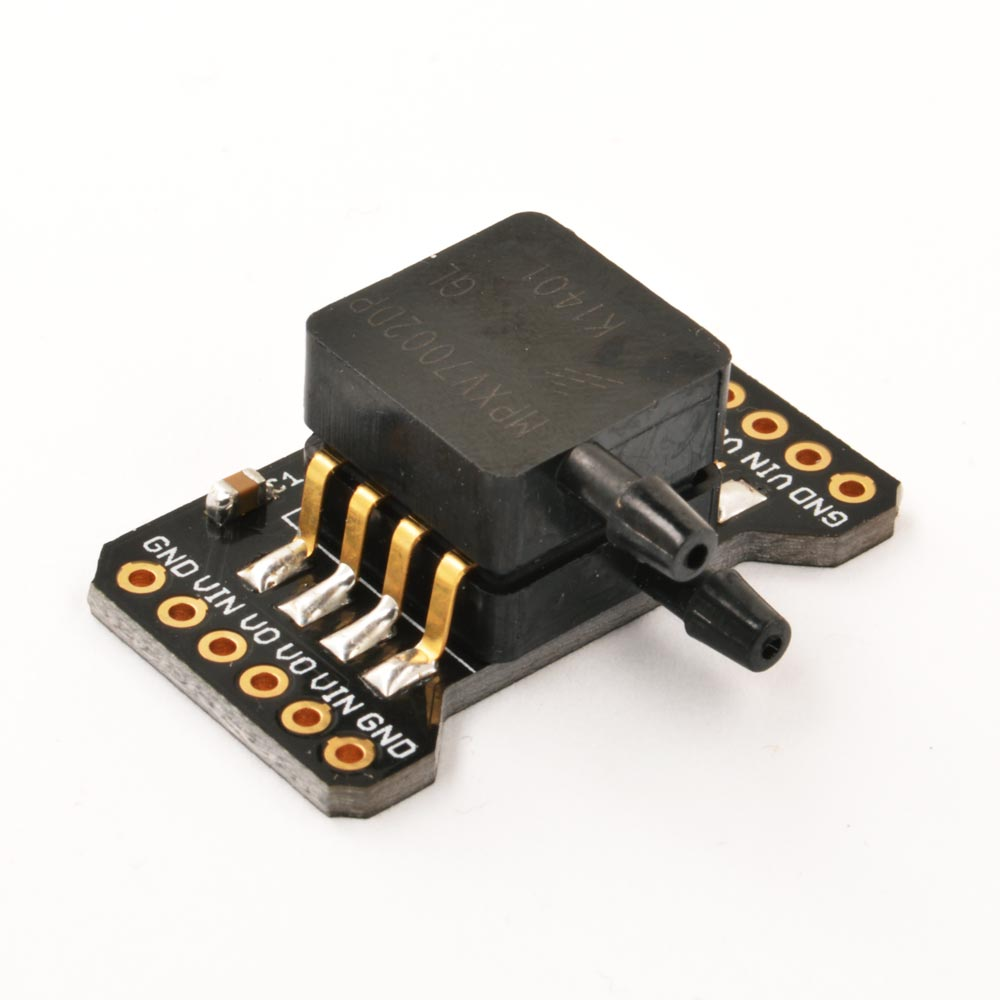
What is an HVAC sensor?
The sensor that has the use in the heating, ventilation, and air conditioning (HVAC) systems is the HVAC sensor. These sensors are common of three types. These are pressure sensors, temperature sensors, and humidity sensors. The HVAC pressure sensors and temperature sensors usually operate in the gas and liquid system.
The humidity sensors are useful in making the indoor environment comfortable. In some cases, we use these sensors in combination with the HVAC systems. The combination of these sensors helps us in enhancing the efficiency and effectiveness of the system. The manufacturers make use of the combined effect of these sensors in different industrial applications.
What is meant by a pressure sensor?
The HVAC pressure sensor is an important electronic device that can measure the applied pressure on it. It uses different working principles for the determination of the value of pressure. However, it has certain elements that are sensitive to pressure and con convert the stimulus into useful information. This converted information is called the output value.
The pressure is the applied force by the gas or liquid surface on the sensor. It has the definition of force applied per unit surface area. The pressure is a scalar quantity and has units of pascal (Pa) or newton per meter square (Nm-2). The device that can calculate this pressure value is the pressure sensor. They have common and tremendous use in the HVAC system.
What are different types of pressure sensors?
The pressure sensors are of various types based on the working principle they utilize. Let us take some of these types and discuss their working principle and working.
What are Strain gauge pressure sensors?
These pressure sensors have specific pressure-sensitive elements. These pressure sensors use strain gauges made of metal or thin films. These metal or thin-film strain gauges are the measuring elements for the pressure values. However, they also use the diaphragm for this purpose. Both have equal use in the measurement of pressure.
These HVAC pressure sensors are of prime importance due to their high measuring capacity. They can measure the high-pressure values that are up to 15000 bars. For the amplification of output signal, these sensors use the Wheatstone bridge. However, this bridge is also important in the maintenance of continuous electrical connection.
What is a capacitive pressure sensor?
These pressure sensors have use of the diaphragm and a pressure cavity. These two components work synergistically in the measurement of pressure. When there is an applied pressure, the pressure cavity becomes deformed. However, the function of the diaphragm is to produce variable capacitance.
With the deformation of the pressure cavity, the capacitance also varies accordingly. The variance of capacitance converts to the electrical signal by the sensor. However, it also sets the specific relationship between the value of pressure and variable capacitance. These sensors do not have many applications due to their limited capacity to measure pressure up to 40 bars.
Piezo-resistive pressure sensors
These pressure sensors accomplish their functions with the help of diaphragms and strain gauges. The diaphragms in these sensors have usually silicon in the structure. The strain gauges are for the detection of strain that is produced by the applied pressure.
Moreover, these sensors also use Wheatstone bridge for circuit continuity and output amplification. These HVAC pressure sensors also have limited use. They can measure the pressure up to 1000 bars.
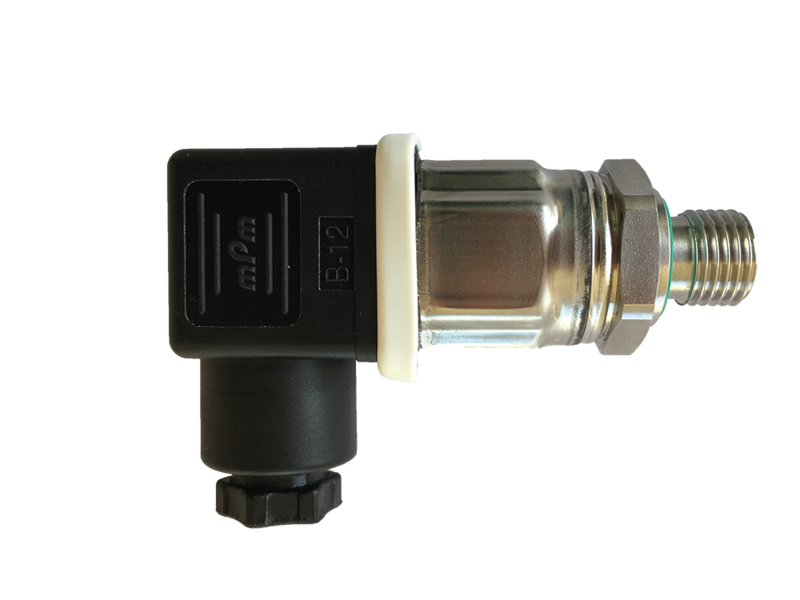
What is a pressure sensor and how it works?
A pressure sensor is a type of device which has a specific use in the measurement of the applied pressure. In commercial use, it has tremendous use for the analysis of air to make it comfortable for breathing. However, there are several principles that they use for their effective working.
The sensitive elements in these sensors help in the detection of pressure and formulation of output. The pressure, we can define as is the measure of the force applied per unit surface area. The unit of pressure is the pascal (Pa), Nm-2, or bars. However, torr or mmHg are the units that are common for the atmospheric pressure.
The HVAC pressure sensors work in different ways to measure the different types of pressures by using different working principles. Based on the measurement of absolute pressure, gauge pressure, and differential pressure, they have the following types.
How Absolute pressure measurement occurs?
Absolute pressure is a type of pressure that has an estimation of its value relative to a reference pressure. The pressure sensors that can measure the absolute pressure are the absolute pressure sensors. These sensors have the most common and tremendous use at the commercial and industrial scales.
How pressure sensors measure gauge pressure?
The gauge pressure is relative. It is the difference between atmospheric pressure and absolute pressure. In most cases, we take its value according to the atmospheric pressure. The pressure sensor that measures the value of gauge pressure is the gauge pressure sensors.
What is differential pressure in HVAC?
As the name indicates, the differential pressure is the measure of the difference between two pressure values. The pressure sensor used for the measurement of differential pressure is the differential pressure sensors. These sensors are usually important in the measurement of fluid level and flow rates of the fluids.
What is the difference between a pressure switch and a pressure sensor?
Usually, we use the terms pressure switch and pressure sensor without knowing their meanings. We use these terms interchangeably for each other. However, it is better to understand their definitions and work before using these terms. Here, I will clear the difference between these two.
What is a pressure switch?
A pressure switch is a controlling device for the systems. It controls the pressure for the safe and effective running of the system. Their functioning depends upon the working of the circuit that powers the devices. They can turn the circuits on and off for the control of pressure on these devices.
What is a pressure sensor?
The HVAC pressure sensors are the measuring devices, on the other hand. They only measure the value of pressure at a certain location. However, these don’t have the switching system to control the functioning. They can show the signals and information about the pressure value at a certain location.